July 2026 · Blog
Why Art Might Be Doing More for Our Mental Health Than We Realise
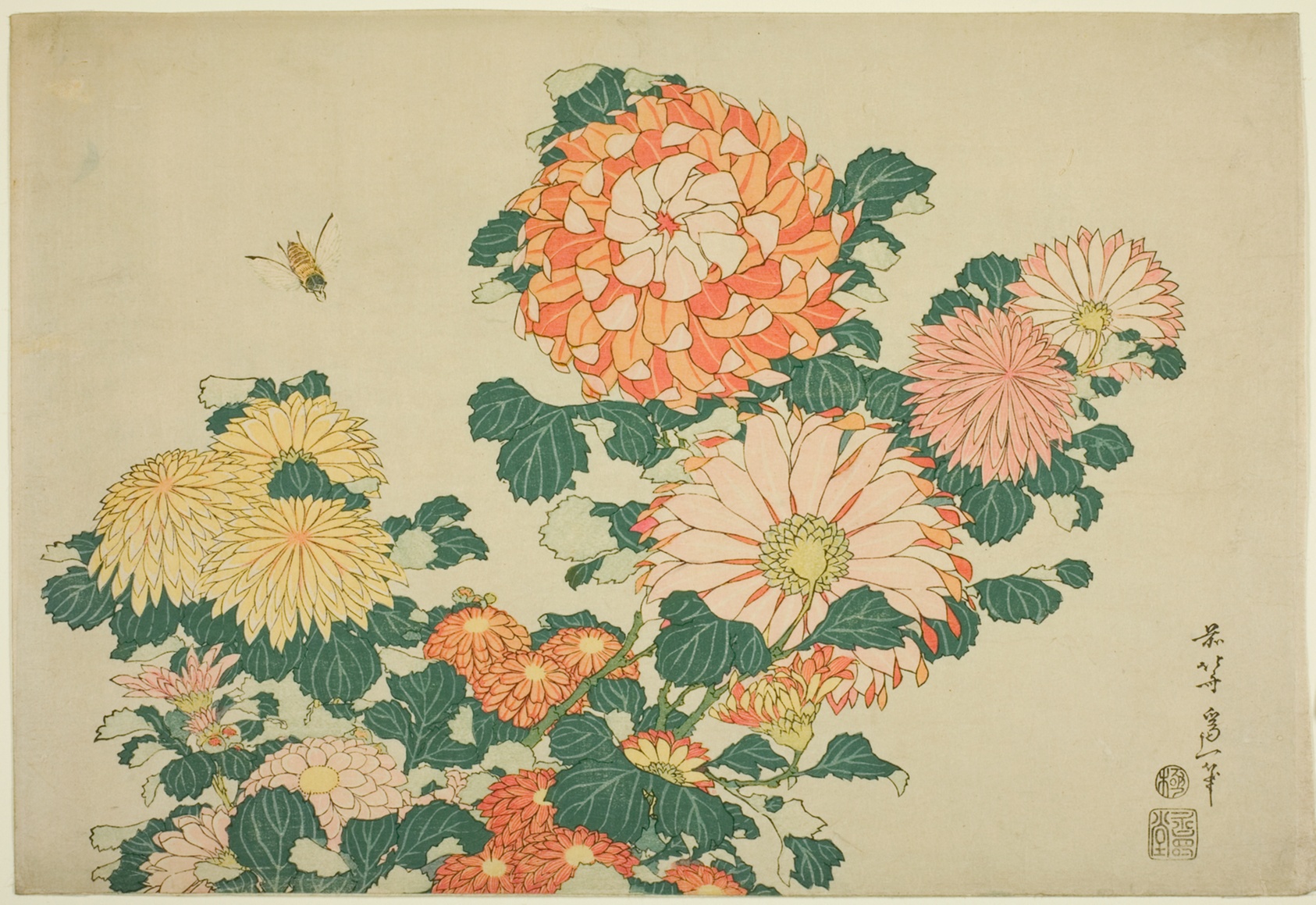
I've been listening to Daisy Fancourt's work with real interest lately, and it struck a chord. As well as being a psychotherapist, I work as a heritage scientist at the British Museum, so I spend a lot of my working life around art, and I'd always sensed there was something to that, beyond simply finding it interesting. Fancourt, a professor at UCL, has spent years building the evidence for exactly that instinct. One study she draws on found that people who engaged with the arts monthly, including museums, theatre and cinema, had nearly half the risk of developing depression compared with those who didn't.
What I find most useful about her research is that she puts numbers to it. Rather than treating arts engagement as a nice-to-have, she's applied the same kind of long-term data and methods that have long been used to study exercise, diet and sleep, and found the effect sizes were often just as strong, sometimes stronger. That's a striking thing to sit with: something we tend to treat as optional turns out to hold its own against habits we already take seriously.
What strikes me most is how wide that evidence base is. It's not just one effect in one group, her work spans the whole of a life: music seems to support healthy brain development in young children, creative hobbies appear to help protect against cognitive decline in later life, and for people recovering from brain injury, things like dance and movement-based practices seem to help build new neural pathways. There's also evidence linking regular engagement with music, museums, and theatre to a lower risk of loneliness and frailty as we age. It's genuinely cradle to grave.
It echoes something I've noticed in the therapy room too, when people are getting better, creativity is often one of the first things to come back. Someone picks up a sketchbook again, or starts noticing music, almost before they'd say out loud that things are improving. Working somewhere like the British Museum, surrounded by thousands of years of human creativity, does make me think differently about what a gallery visit is actually doing for the people walking through it. It's not just looking. Something is happening.
What this might mean practically
You don't need to be an artist for any of this to apply, and you don't need a museum on your doorstep either. Fancourt's research is really about engagement, not talent or output. That might look like:
- Visiting a gallery or museum, even briefly, without a particular goal
- Listening to music that matches or gently shifts your mood
- Drawing, writing, or making something with your hands, with no expectation of it being good
- Moving to music, alone, with no one watching
This isn't a substitute for therapy, just another thread worth pulling on.
It's made me reflect too. I used to paint, a long time ago now, before having children, and listening to Fancourt has me seriously considering finding the time again.
So if you're someone who's stopped doing things you once enjoyed, painting, visiting galleries, playing an instrument, maybe this is your invitation to make a little more room for it. I'm taking mine.